



DU
Team coordination, continuity of care, information sharing: how does IMAGO address the challenges facing the social care sector?
For several years now, the social care sector has been undergoing a profound transformation in its practices. With changes to care pathways, a growing need for coordination, stricter regulatory requirements and an increasing number of stakeholders, organisations must now balance the quality of care, organisational efficiency and data security.
In this context, digital tools are no longer merely administrative aids. They are becoming key drivers for supporting organisational change, improving the flow of data and ensuring continuity in residents’ care pathways.
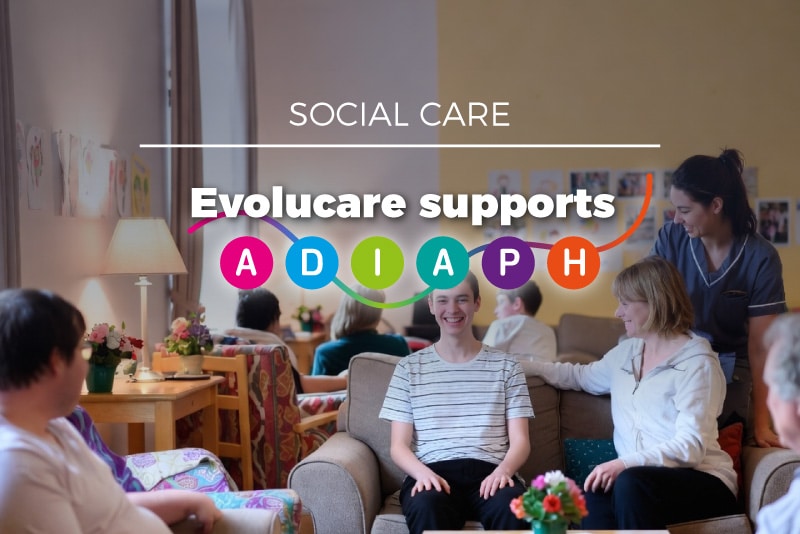
At ADIAPH, this line of thinking led to the roll-out of IMAGO DU, a solution designed to support staff in their day-to-day work and to help them adapt to the new realities of the social care sector, as well as to support service users.
The social care sector in the face of increasingly complex care pathways
Specialist educators, coordinators, administrative teams, paramedical staff and management work with the same service users on a daily basis. This diversity of stakeholders requires a smooth flow of information to ensure consistency in the support provided.
Added to this are significant organisational constraints: managing activities, monitoring personalised programmes, coordinating appointments, adapting timetables and following up on observations made in the field.
In this context, organisations must be able to rely on information systems capable of centralising data and facilitating communication between the various professional roles.
The issue is no longer solely a technological one. It has become an organisational one.
Structuring working practices to streamline team coordination
In social care settings, the quality of care depends directly on the ability of professionals to share reliable, accessible and up-to-date information in real time.
However, traditional organisations often relied on fragmented tools or multiple platforms, which sometimes made information sharing more complex and adjustments more time-consuming.
The digital transformation underway at ADIAPH is precisely part of this drive to standardise practices and harmonise working methods around a shared tool.
This initiative forms part of a collaborative project with two other organisations in the social care sector: OREAG and the Jean-Elien Jambon Regional Platform.
This joint initiative has enabled us to pool ideas, harmonise certain professional practices and establish a shared framework for implementation, focusing on the challenges of coordination and continuity of care pathways.

ADIAPH (Association for the Development, Integration and Support of People with Disabilities) supports people with disabilities through a network of medical and social care facilities and services in Nouvelle-Aquitaine.
The association works on a daily basis to promote independence, inclusion and continuity in people’s lives through support tailored to each individual’s needs.
Today, ADIAPH comprises 45 facilities and supports more than 1,400 individuals thanks to the commitment of nearly 500 professionals.
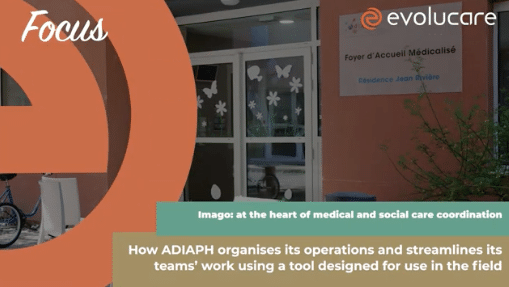
For Guillaume Huon de Kermadec, director of the Jean Rivière medical and social care home in Carignan-de-Bordeaux, this change required a great deal of preparation and consultation:
«Evolucare supported us throughout the configuration phase. Several working groups were set up across the three associations, based on the main areas of work covered by IMAGO: education, administration, and so on. The aim was really to build a tool that would suit our needs and the way we operate on a day-to-day basis.»

We went through a whole roll-out phase, starting with a pilot site, followed by a roll-out that we wanted to be very rapid and carried out in quick succession, so that we could get the software up and running in the facilities fairly quickly.
This collaborative approach made it possible to take the needs of the various professionals into account from the very earliest stages of the project, with a view to establishing a coherent system tailored to practical needs on the ground.
The roll-out was then carried out gradually to support the teams as they became familiar with the tool and to ensure best practice.
Centralising information to improve the continuity of support
One of the key challenges facing the social care sector today is ensuring continuity in service users’ care pathways. Each person receiving support benefits from individualised care built around personalised plans, educational objectives and coordinated interventions involving several professionals.
In this context, centralising information is essential to ensure a comprehensive overview of care pathways and minimise disruptions in support.
With IMAGO, ADIAPH’s teams now have a shared platform that enables them to organise data relating to service users and facilitate the exchange of information between professionals.
For Christian Rémy, Coordinator of the medical care home, this development directly improves the support provided to service users: “Imago makes it much easier for us to track a service user’s journey, from their personalised care plan right through to the objectives we set and the resources we decide to use to achieve them. We maintain genuine continuity in the support we provide. ”
This cross-functional approach facilitates the coordination of actions and helps to ensure consistency in care over the long term. It also enables staff to access information relevant to their day-to-day work more quickly.
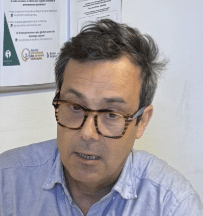
We now have better organisation of our data, which saves us a lot of time when searching for information and improves the quality of communication between teams.
In an environment where teams need to make quick decisions and share sensitive information, this fluidity is a strategic priority.
Organisations that are more responsive to the realities on the ground
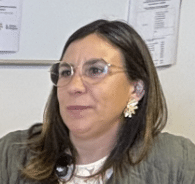
We have set up four-week cycles that are synchronised with staff timetables. This enables us to have a much clearer and more consistent organisational structure, tailored to the availability of staff and residents. We now have a great deal of flexibility in the event of changes to activities or absences among staff and service users. Information can be updated very quickly and circulated immediately to the relevant teams.
Health and social care homes must constantly adapt to organisational changes: staff absences, changes to activities, evolving residents’ needs or changes to timetables.
Digital tools must therefore enable information to be updated quickly and disseminated immediately to the teams concerned.
At ADIAPH, staff highlight the flexibility that IMAGO brings to the day-to-day management of activities and care provision.
This adaptability improves the teams’ responsiveness and helps to streamline the running of the care homes.
Schedules can be adjusted quickly, information shared in real time and activities reorganised more efficiently. This development directly contributes to ensuring the safety of care provision and the continuity of care.
Digital technology to support individuals’ independence
The digital transformation of care homes is not just about the staff. It also helps to improve the visibility and independence of the service users.
Simplified access to timetables and activities enables individuals to better understand their daily routine and plan ahead for appointments or support sessions.
Marie Jeler, a resident at the care home, regularly uses this digital access: “I go to my timetable and can see straight away what’s planned for the week. It makes it easier to know when I have a medical appointment or when I’m going away for the weekend. ”
This transparency helps residents take a more active role in their daily lives and their care journey.
It is part of a wider trend in the medical and social care sector, where digital tools also help to strengthen the self-determination and involvement of those receiving support.
Towards a more coordinated and collaborative social care system
Through the roll-out of IMAGO, ADIAPH illustrates the changes currently taking place in the social care sector.
Digital transformation is no longer limited to the modernisation of tools. It goes hand in hand with a more profound evolution of organisations, based on the coordination of stakeholders, the flow of information and continuity of care pathways.
In an environment where care provision is becoming increasingly complex, information systems now play a fundamental role in supporting professionals and ensuring the safety of care provision.
As Christian Rémy sums it up: “Imago provides a comprehensive overview of the service user’s care pathway and enables better monitoring of all decisions made with the teams regarding their care.”
This approach reflects the new challenges facing the medical and social care sector: more flexible organisations, more collaborative practices and digital tools designed, above all, to serve those receiving care.